

Supreme Comfort:
Crafted with premium, stretchable fabrics that ensure all-day comfort without compromising style.
Eco-Friendly Materials
Made using environmentally sustainable methods and materials, supporting a healthier planet.
Perfect Fit for All
Available in a wide range of sizes and styles designed to flatter every body type.
Durable Design
Jeans that are built to last, maintaining their fit and feel even after multiple washes.
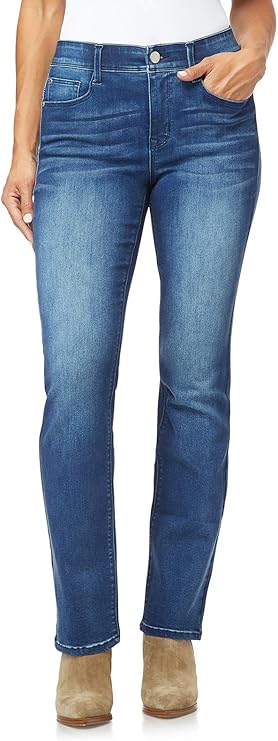
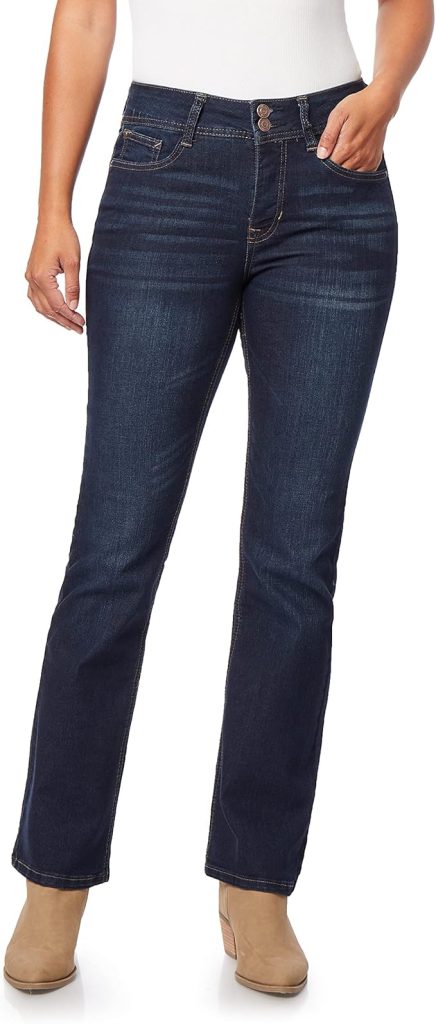
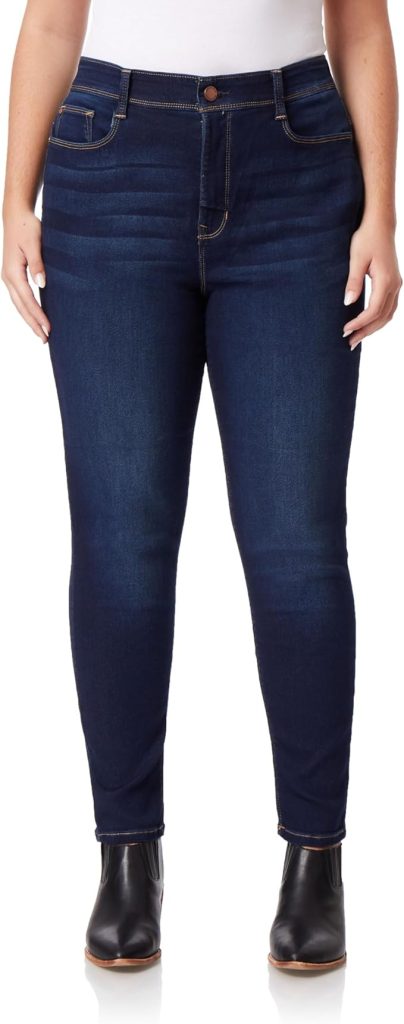
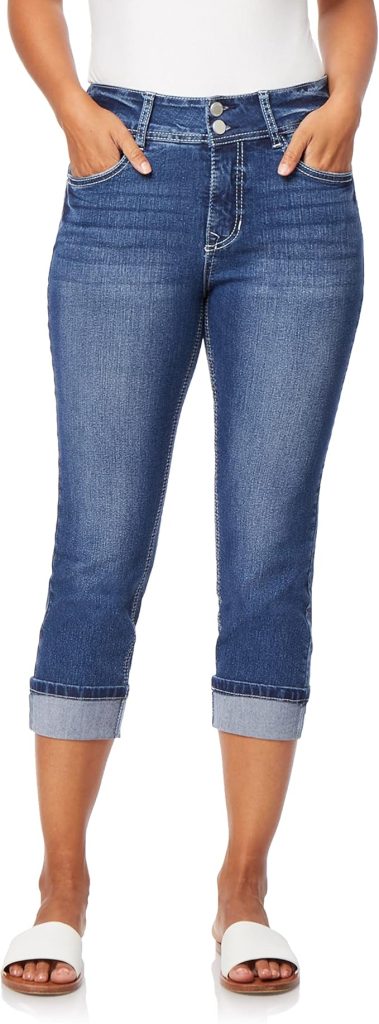
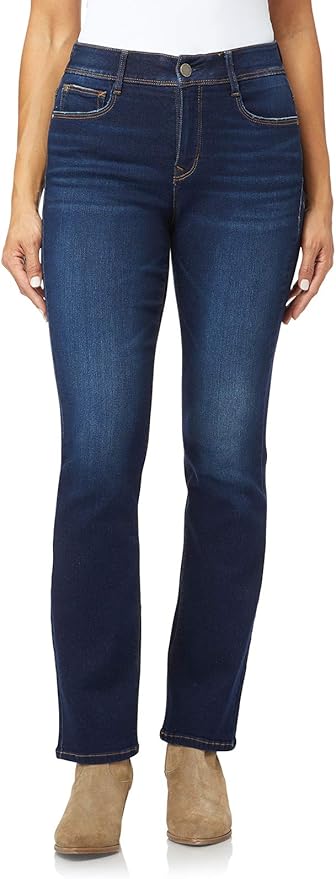
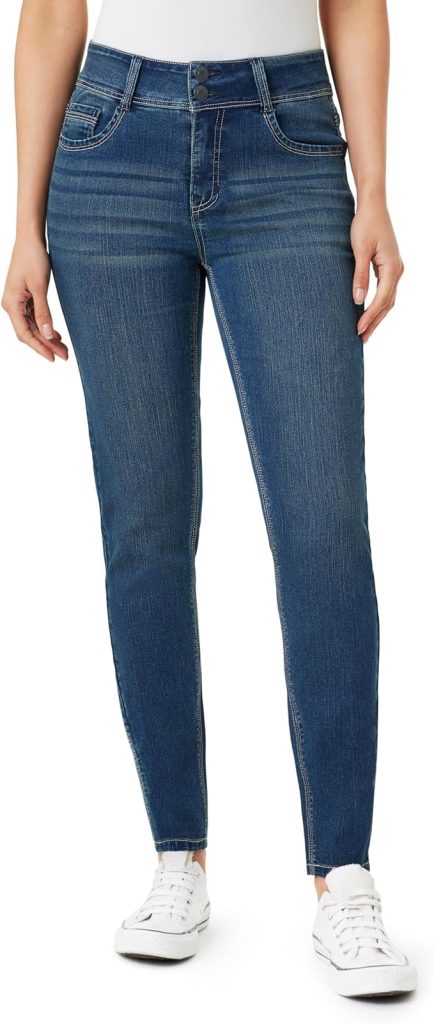
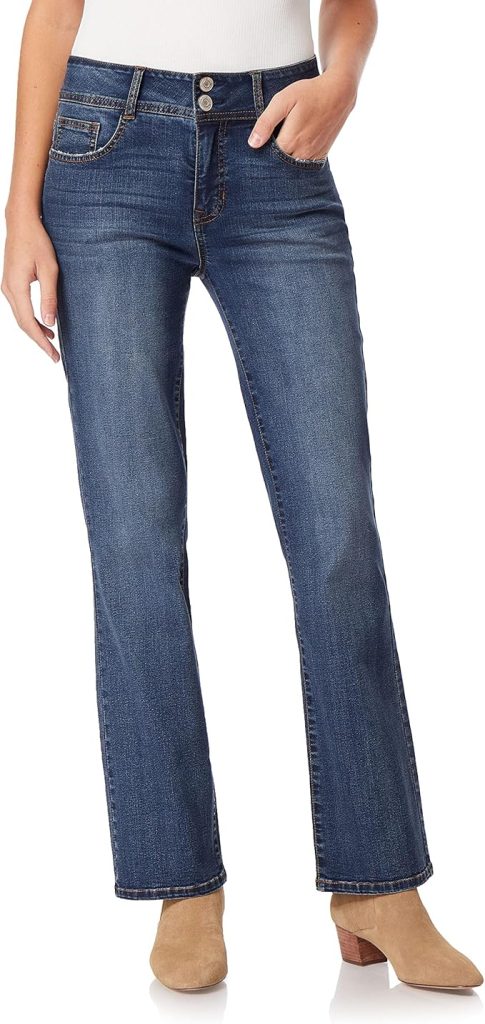
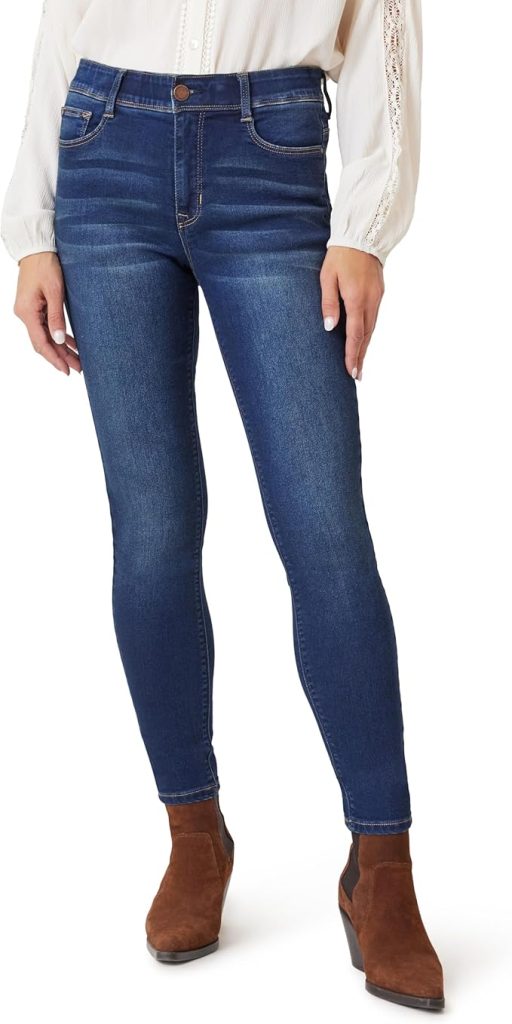
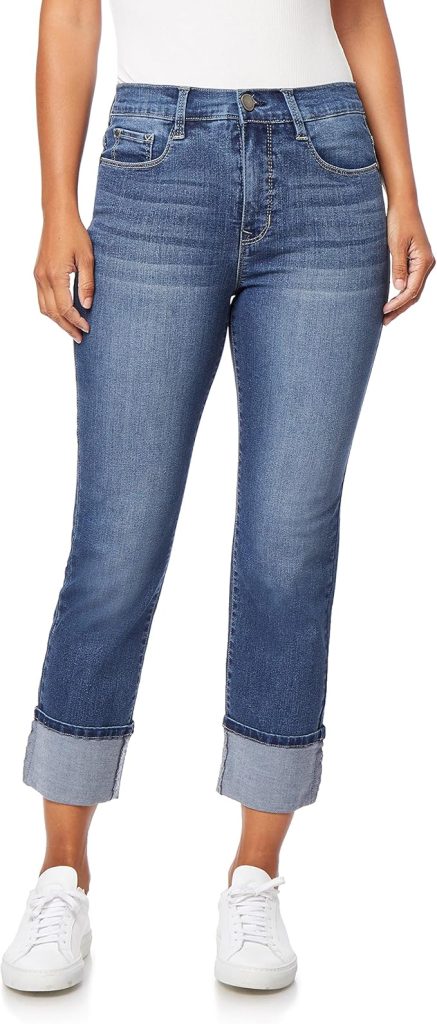
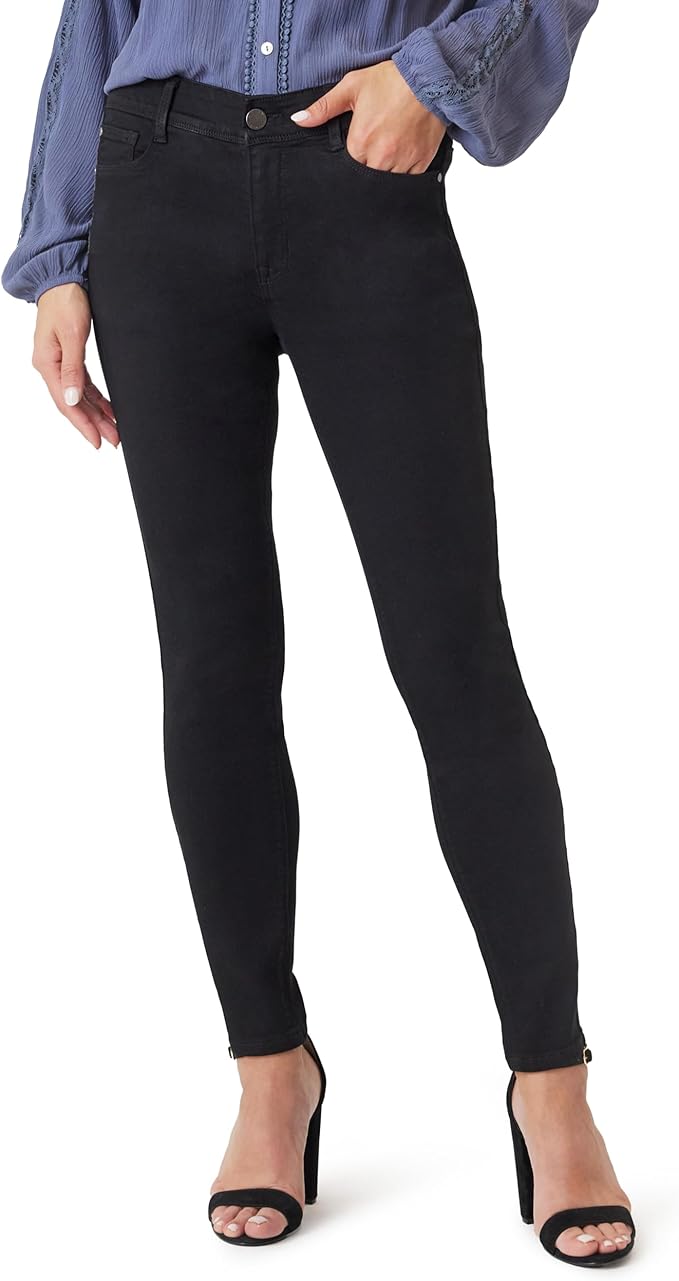
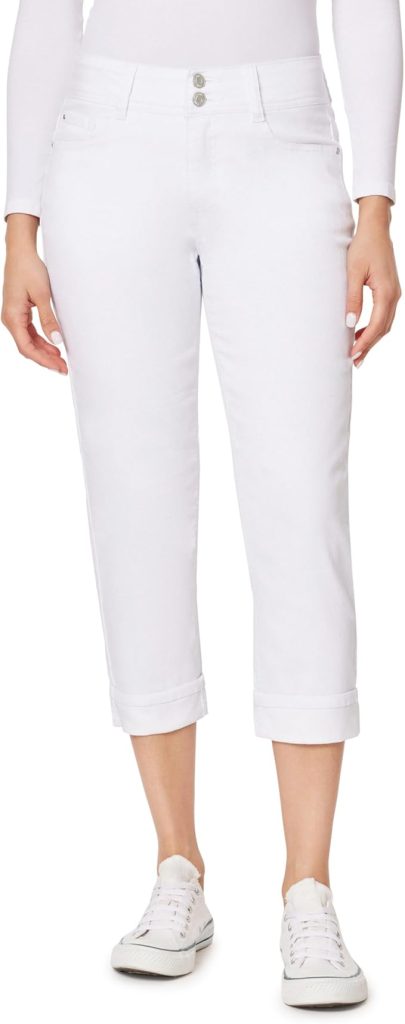
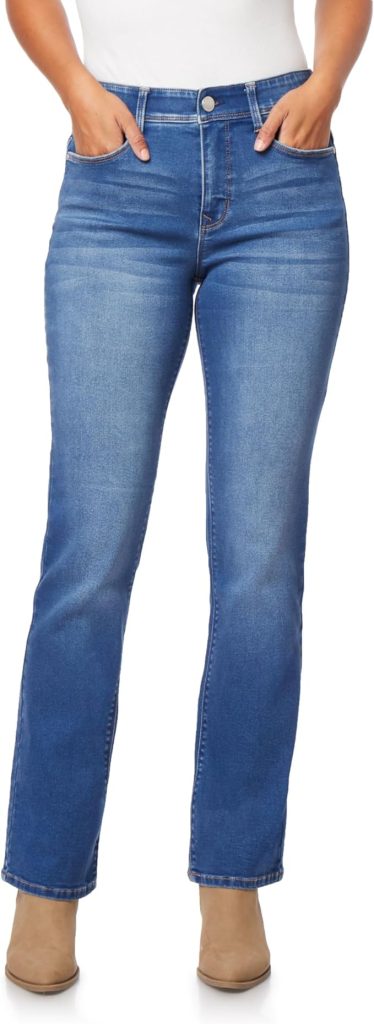
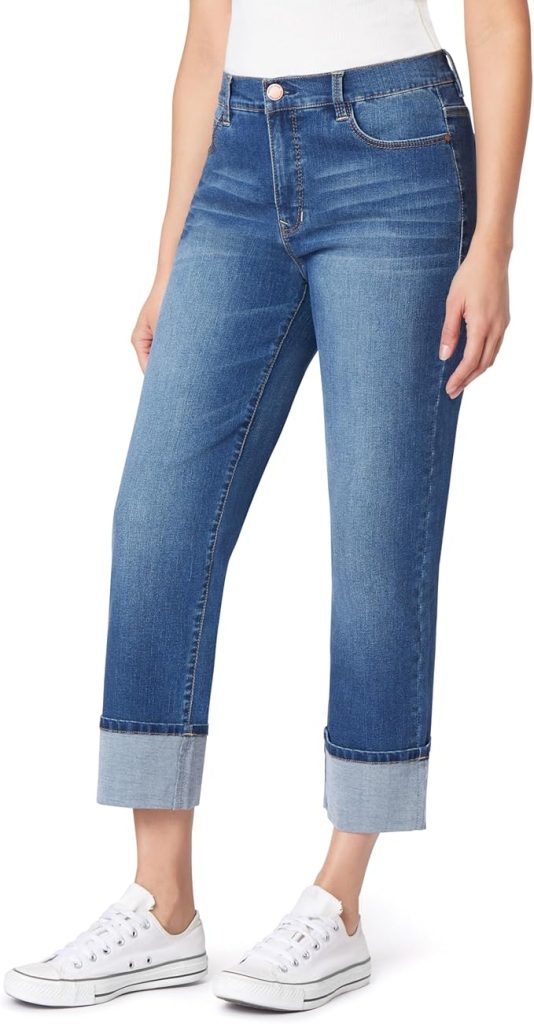
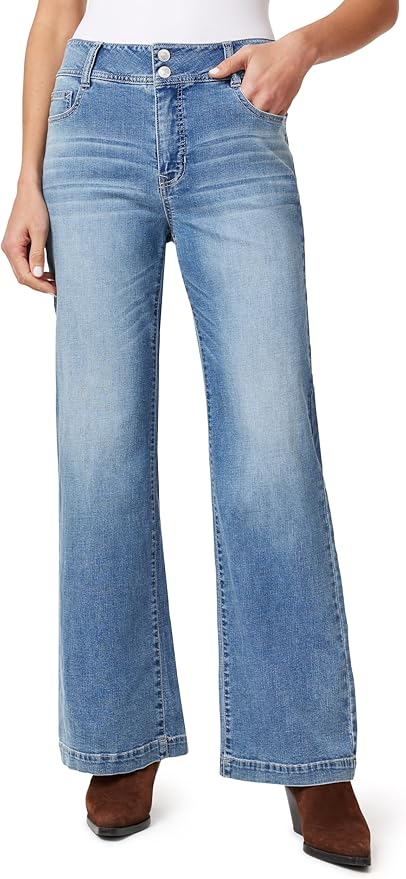
Best Sellers
The Origin Story
Angels Jeans started out in a grimy, downtown L.A. garage back when founder Miguel Herrera got completely sick of jeans that fell apart after three miserable months of motorcycle riding. That was 1978. Back then the whole neighborhood was mostly body shops instead of fancy boutiques, and Miguel was just another mechanic with grease permanently stuck under his fingernails and a massive problem to solve. He’d blown clean through six separate pairs of department store jeans that single year—blown-out knees, shredded crotch seams, pockets that couldn’t hold a heavy wrench without tearing right open. So he went out and bought an old Singer sewing machine at a local pawn shop, taught himself how to work with heavy denim, and started making jeans that could actually handle real life.The actual name came way later. After his riding buddies started calling them “miracle jeans” because they survived literal crashes that should’ve totally shredded them, Miguel started thinking. He loved the irony—Angels for the fallen. The bikers, the night shift workers, anyone who needed clothes just as tough as the lives they live. We eventually moved out of that hot garage in ’82, right into a proper factory six blocks away, where we still cut and sew every single pair today.Sure, the neighborhood’s gotten way fancier over the years (and our rent definitely has too), but we haven’t changed at all. Same heavy-duty machines. Same loyal union crew, including some folks who’ve been with us for thirty damn years. Same stubborn, old-school refusal to compromise on construction methods just to save a few pathetic bucks. Four decades later, we’re proud to be one of the last American denim brands that hasn’t totally sold out to fast fashion or quietly moved production overseas. Most brands have zero spine.
